
Small Schools, Big Dreams: How Robotics Opens New Doors for Rural and Underserved Students
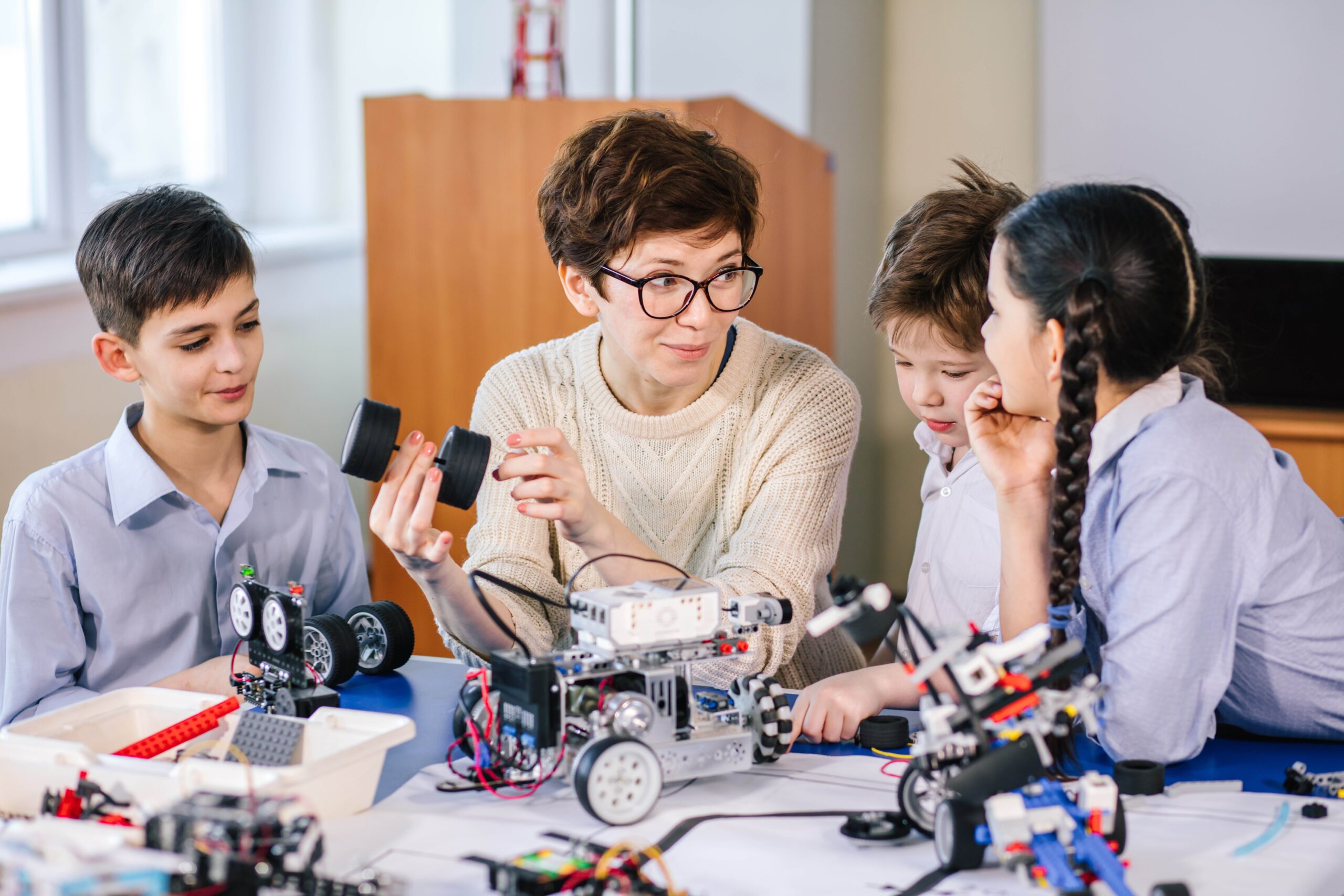
Discover how robotics education in rural and underserved schools empowers students with confidence, creativity, and STEM skills. Learn how Samabhavana’s Smile Hub Programme is reducing the digital divide through hands-on robotics learning.
Introduction: Bridging the Gap Through Robotics Education
Across many rural and underserved communities in India, schools operate with limited infrastructure but unlimited dreams. Classrooms may be simple, yet they are filled with curious young minds eager to explore the world beyond their surroundings.
For these students, exposure to modern learning experiences—especially robotics education and STEM learning—is just as important as textbooks.
At Samabhavana, we believe every child deserves access to meaningful, future-ready education. Through initiatives like the Smile Hub Programme, robotics is being introduced into small schools to connect students with technology, creativity, and hands-on learning.
Why Robotics Education Matters in Rural Schools
Moving Beyond Traditional Learning
In many underserved schools, education is largely textbook-based. Robotics introduces:
- Practical, hands-on learning
- Interactive problem-solving
- Team-based activities
- Real-world application of classroom concepts
According to UNESCO, hands-on STEM learning improves critical thinking and innovation skills among students.
Outbound Reference: https://www.unesco.org/en/education
Robotics transforms passive learning into active exploration.
First Robotics Experience: A Moment of Discovery
For many children, their first robotics session becomes unforgettable.
Students approach robotics kits with curiosity—sometimes unsure, sometimes excited. As they:
- Assemble parts
- Connect wires
- Program simple movements
- Watch their creations move
Hesitation turns into confidence.
Classrooms once quiet begin buzzing with discussion and teamwork. Learning becomes dynamic and collaborative.
Internal Link Suggestion:
👉 Also Read: Robotics & AI Learning Programs (Add your Robotics/AI page link here)
Connecting Robotics to Real-Life Challenges
One powerful aspect of robotics education is relevance.
Students often relate what they build to everyday challenges such as:
- Farming support tools
- Water management solutions
- Household assistance devices
- Safety innovations
When learning feels meaningful, engagement naturally increases.
STEM concepts—Science, Technology, Engineering, and Mathematics—become easier to understand because students can see and touch what they create.
For global insights on STEM education impact, you can explore UNICEF’s education resources:
Outbound Link: https://www.unicef.org/education
Building Confidence and Problem-Solving Skills
Learning Through Experimentation
Robotics encourages:
- Trial and error
- Logical thinking
- Creative experimentation
- Patience and resilience
When a robot doesn’t work as expected, students troubleshoot and try again. Mistakes become learning opportunities instead of failures.
This process builds:
- Confidence
- Analytical skills
- Emotional resilience
- Independent thinking
Children who may struggle with traditional written exams often excel in practical robotics sessions.
Reducing the Digital Divide in Rural Communities
Introducing robotics in small schools helps reduce the digital divide.
The focus is not just on using devices—but understanding how technology works.
Instead of being only consumers of technology, students become creators.
This shift changes mindset:
- From limitation to possibility
- From hesitation to innovation
- From observation to participation
Internal Link Suggestion:
👉 Learn more about Smile Hub Programme initiatives (Add your Smile Hub page URL)
Encouraging Inclusion and Equal Participation
Robotics classrooms promote teamwork between boys and girls.
When girls actively:
- Build robots
- Lead group projects
- Design solutions
Traditional stereotypes around technology begin to shift.
Students learn to respect each other’s ideas and contributions, creating more inclusive learning environments.
Expanding Career Awareness and Future Aspirations
Robotics opens doors to conversations about:
- Engineering careers
- Innovation and design
- Artificial intelligence
- Technology entrepreneurship
Even if students choose different career paths, early exposure to robotics strengthens:
- Self-belief
- Curiosity
- Future readiness
Students begin imagining possibilities beyond their immediate surroundings.
Challenges of Introducing Robotics in Small Schools
While robotics education offers immense benefits, implementation requires:
- Teacher training
- Structured scheduling
- Resource management
- Ongoing technical support
Through structured initiatives like Samabhavana’s Smile Hub Programme, these challenges are addressed with proper planning and guidance.
The Real Goal of Robotics Education
The goal is not to turn every child into a robotics engineer.
The real aim is to nurture:
- Curiosity
- Confidence
- Creativity
- Critical thinking
In a diverse country like India, educational equality requires more than textbooks. It requires experiences that allow children to experiment, explore, and dream—regardless of their location or background.
Robotics offers exactly that.
Conclusion: Small Schools Can Nurture Big Dreams
When a child in a small rural school sees a robot they built move for the first time, something powerful happens.
They begin to believe:
- Their ideas matter
- Complex concepts are within reach
- Their future is not limited by geography
Through hands-on robotics learning and Smile Hub centres, Samabhavana continues to bring transformative educational experiences to underserved communities.
Small schools truly can nurture big dreams.
And robotics is opening doors to a world of possibility.