
Redefining Strength: Why Boys and Men Need Emotional Awareness for Better Mental Health
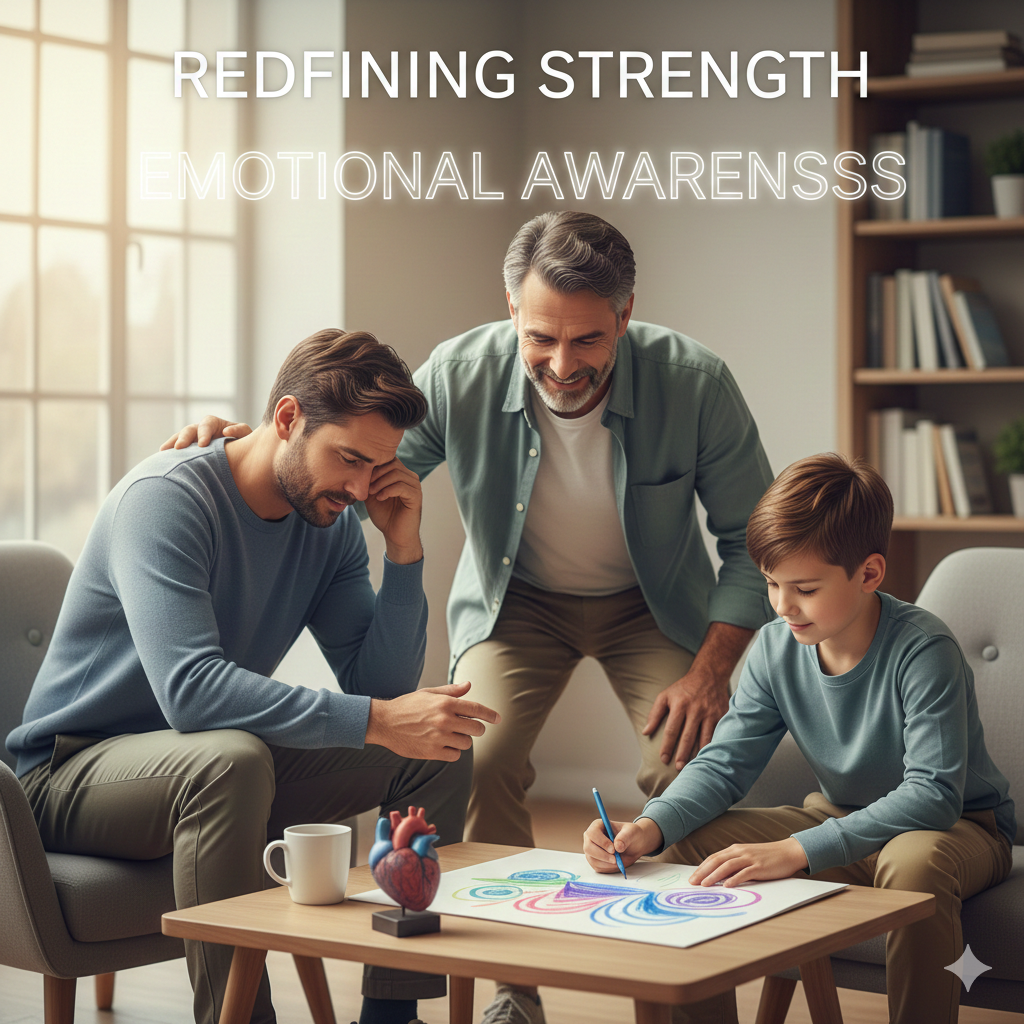
Explore why redefining strength is essential for boys and men’s mental health. Learn how emotional awareness, communication, and community support can build healthier masculinity — an initiative supported by Samabhavana.
Introduction: The Message Boys Grow Up With
From a very young age, boys are often taught to “be strong.” This message may come through discipline, encouragement, or advice meant to prepare them for life’s challenges.
Phrases like:
- “Don’t cry.”
- “Be tough.”
- “Handle it like a man.”
are commonly heard in homes, schools, and playgrounds.
While these messages are usually intended to build resilience, they can unintentionally create long-term emotional struggles for boys and men.
At Samabhavana, we believe that true strength includes emotional awareness, communication, and balance. Supporting boys and men in understanding their emotions is essential for building healthier individuals and stronger communities.
🔗 Internal Link: Learn more about Samabhavana’s Community Well-being Initiatives
https://samabhavana.in/
The Hidden Cost of “Be Strong” Culture
In many families and social environments, strength is narrowly defined. Boys are expected to:
- Hide fear
- Suppress sadness
- Control vulnerability
- Move on quickly from pain
Over time, they learn that expressing emotions may lead to teasing, embarrassment, or judgment.
As boys grow into men, these expectations often intensify.
Men may feel pressure to silently manage:
- Financial responsibilities
- Work stress
- Family expectations
- Social roles
Asking for help can feel like weakness. Emotional openness may feel unsafe.
This creates a gap between what men feel and what they express.
When Emotions Are Suppressed
Unexpressed emotions rarely disappear. Instead, they often show up in different ways:
- Anger
- Withdrawal
- Irritability
- Physical discomfort
- Sleep disturbances
- Chronic stress
According to the World Health Organization (WHO), untreated stress and emotional suppression can contribute to long-term mental and physical health issues.
🔗 Outbound Reference: https://www.who.int/news-room/fact-sheets/detail/mental-health-strengthening-our-response
Many men raised in emotionally restrictive environments struggle to identify and communicate their feelings. Without emotional awareness, relationships may feel distant—even when care and love are present.
How This Pattern Begins Early
The “be strong” mindset often starts in schools and playgrounds.
Boys may be teased for crying or showing sensitivity. Over time, they learn to disconnect from emotions to avoid embarrassment.
This emotional suppression can continue across generations. Men who grew up hiding their feelings may unintentionally pass the same expectations to their children.
Breaking this cycle requires awareness and active effort.
Redefining Strength: A Healthier Perspective
Challenging this culture does not mean rejecting strength.
It means redefining it.
True Strength Includes:
- Understanding emotions
- Managing stress in healthy ways
- Asking for help when needed
- Communicating openly
- Supporting others
Emotional awareness does not weaken masculinity — it strengthens it.
Research from global mental health organizations highlights that emotional literacy improves resilience and coping skills.
🔗 Outbound Reference: https://www.unicef.org/mental-health
The Role of Families, Schools, and Workplaces
1. Families: Creating Safe Spaces at Home
Simple statements can make a big difference:
- “It’s okay to feel upset.”
- “I’m here to listen.”
- “Your feelings matter.”
When boys grow up hearing these affirmations, trust and openness increase.
2. Schools: Teaching Emotional Literacy
Schools can support emotional development by:
- Normalizing conversations about feelings
- Encouraging respectful communication
- Teaching coping strategies
Emotional literacy builds resilience and supports academic as well as personal growth.
3. Workplaces: Supporting Men’s Mental Health
Work environments that:
- Recognize stress
- Promote work-life balance
- Provide mental health support
help create healthier models of masculinity.
Samabhavana’s Approach to Emotional Well-being
At Samabhavana, community discussions, awareness programs, and support initiatives focus on reducing stigma around men’s mental health.
Through safe spaces for dialogue, we encourage:
- Open conversations
- Emotional awareness
- Healthy coping strategies
- Community support systems
🔗 Internal Link: Explore Samabhavana’s Awareness & Community Programs
https://samabhavana.in/
Change takes time. Many men may initially hesitate to open up. But gradual conversations and supportive environments create lasting impact.
Silence Is Not Strength. Balance Is.
Silence is not strength.
Suppression is not resilience.
Balance is strength.
When boys and men are allowed to express emotions:
- They cope better with stress
- Relationships improve
- Physical health strengthens
- Self-confidence grows
When vulnerability becomes part of strength, overall well-being improves.
Conclusion: Building Healthier Communities Through Emotional Awareness
Promoting emotional awareness among boys and men is not just a personal issue — it is a community responsibility.
By redefining strength to include empathy, communication, and mental well-being, we build:
- Healthier individuals
- Stronger families
- More supportive communities
At Samabhavana, we remain committed to encouraging conversations that break stigma and promote balanced, healthy masculinity.
Because true strength is not about silence.
It is about understanding, expressing, and growing.