
HEALTH
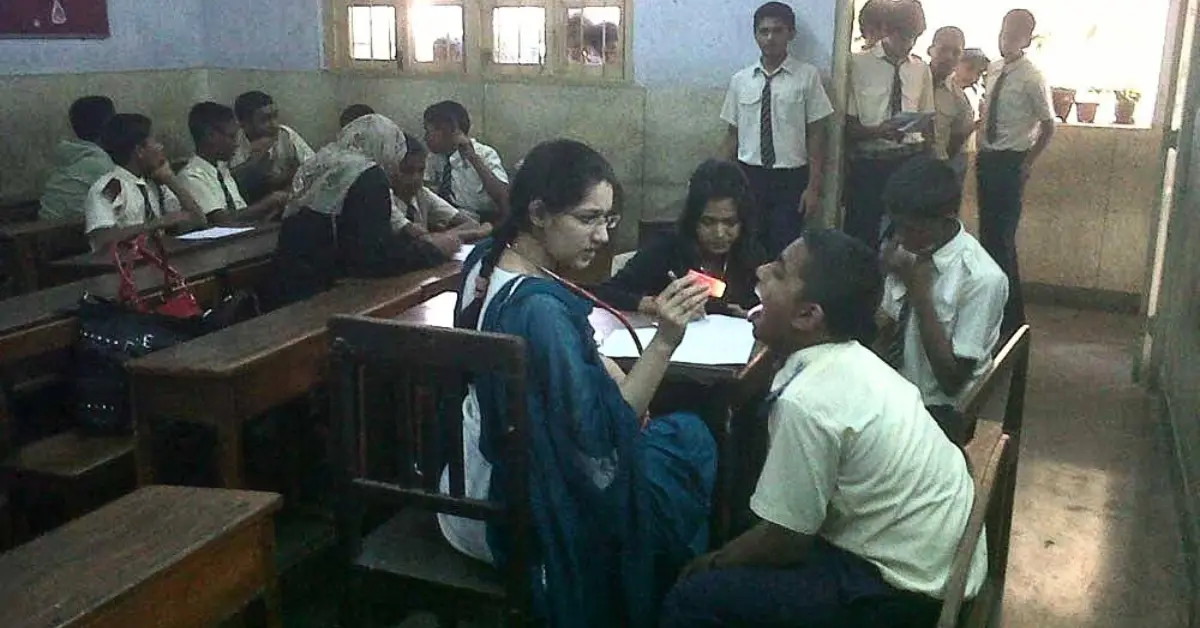
Health Camps: More Than Check-Ups, They Build Trust
Tables are set up for a day, doctors check vital signs, medications are given out, and people go back home—health camps are frequently perceived as transient occurrences. They might appear to be temporary interventions from the outside. However, health camps are much more than just medical examinations for communities with limited access to healthcare. They are times when people connect, feel reassured, and develop trust.
Treatment is only one aspect of health camps. They deal with relationships.
Many Indian people feel cut off from healthcare services, particularly in rural and informal settlements. Hospitals might be daunting, costly, or far away. People put off getting help until their issues get really bad. Barriers are caused by fear, ignorance, and negative experiences. Health camps aid in the gradual removal of these obstacles.
Organizing a health camp within a community conveys a strong message: healthcare is reaching out, not waiting to be contacted. This change is significant. People feel appreciated and seen. Trust starts to develop.
Comfort is created by medical professionals who sit with community members, listen calmly, and describe conditions in plain language. This may be the first time a health expert has spoken to many people in a non-rushed manner. Confidence is boosted just by that connection.
Additionally, health camps normalize discussions about health. Stigma decreases when neighbors get together. Once taboo subjects like nutrition, hygiene, and mental health are now open to discussion. Learning in the community starts.
Health camps give women, the elderly, and children access that they might not otherwise have. In familiar settings, women who are reluctant to enter hospitals alone feel more secure. Elderly people receive care without having to worry about traveling.
Children gain from this as well. Early examinations find issues before they become more serious. Parents learn how to take better care of their children at home and what to look out for.
Education is another benefit of health camps. Families are empowered by straightforward explanations of nutrition, hygiene, and preventive care. When information is delivered at the appropriate time, it lasts longer.
When health camps are regular, community trust increases. Regular camps demonstrate dedication, although one-time events are helpful. Communities start to depend on and anticipate care.
Community leaders and local volunteers are crucial. Participants are reassured by their participation. Hesitancy is lessened by familiar faces.
Deeper needs are also identified through health camps. Long-term interventions are guided by the data gathered. Instead of becoming endings, camps become access points.
Health camps provide NGOs and organizations with a chance to listen. Comprehending community issues enhances subsequent initiatives.
When conducted with respect, CSR-supported health camps have a significant impact. Relationships take precedence over numbers.
Follow-up is encouraged by the trust established at health camps. Individuals are more inclined to seek medical attention later.
Communities are reminded that maintaining one’s health is a shared duty through health camps.
They make healthcare a local presence rather than a remote service.
Additionally, health results naturally improve when trust is established.