
EDUCATION
Education as Dignity: Not Just Marks
Education is viewed by many families as a ladder that leads to greater chances for their children. Certificates, grades, and marks frequently serve as the outward manifestation of achievement. These results are important, but they don’t fully convey the goal of education. Education is really about dignity. It aims to assist people in realizing their value, voice, and position in the world.
Education is about more than just students’ grades. It has to do with their position.
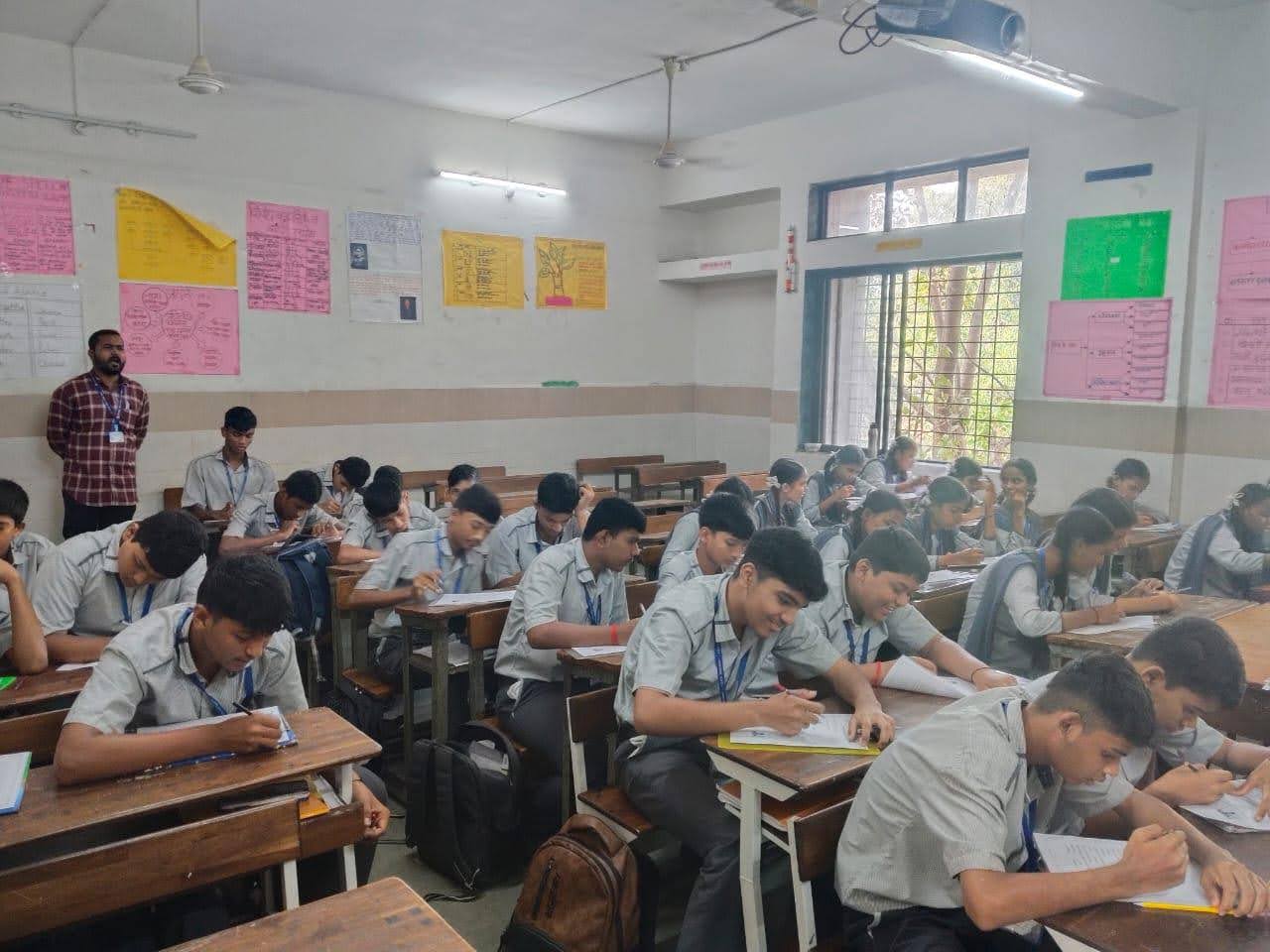
Academic achievement becomes the main indicator of a child’s worth in many Indian classrooms. Kids that do well get attention and praise. People who struggle frequently go unnoticed. This eventually produces hierarchies that have an impact on self-assurance and self-belief. There is an unequal distribution of dignity when education is reduced to grades.
Regardless of academic achievement, every kid should be treated with dignity in the classroom. It entails appreciating effort, curiosity, and development. Children are more
involved in their education when they feel appreciated.
Education frequently has special significance for children from marginalized communities and first-generation learners. It stands for acknowledgment, mobility, and hope. Education becomes powerful when schools treat these students with dignity. Their dignity is diminished when they are evaluated solely by their grades.
This experience is mostly shaped by teachers. Respect is shown by small gestures like attentively listening, encouraging inquiries, and recognizing effort. These actions convey to pupils that their importance extends beyond their grades.
Safe learning settings are another aspect of education as dignity. Participation is encouraged in classrooms when pupils are not made fun of for making errors. Children may explore and develop when they learn without fear.
Children’s perceptions of education are also influenced by their parents. Pressure rises when families just concentrate on grades. Children feel supported when they are encouraged to learn and work hard.
Redefining success is difficult but essential in Indian situations where competition is fierce. Children should be prepared for life as well as tests through education. Communication, empathy, and problem-solving abilities are important.
Inclusion is another aspect of dignity. Equal respect should be given to students with diverse backgrounds, skills, and languages. Classrooms that are inclusive demonstrate dignity in action.
Schools that put dignity first foster trust. Students become resilient, participate actively, and attend on a regular basis.
Children who receive an education that upholds dignity are better equipped to respect others.
This has an impact on society outside of the classroom.
Performance at a specific point in time is measured by marks. Identity is shaped by dignity.
Learning takes on significance when it respects human dignity.
Children develop both strength and intelligence.
Additionally, society becomes more compassionate when education upholds dignity.